The Rise of the Modern Pie Shop
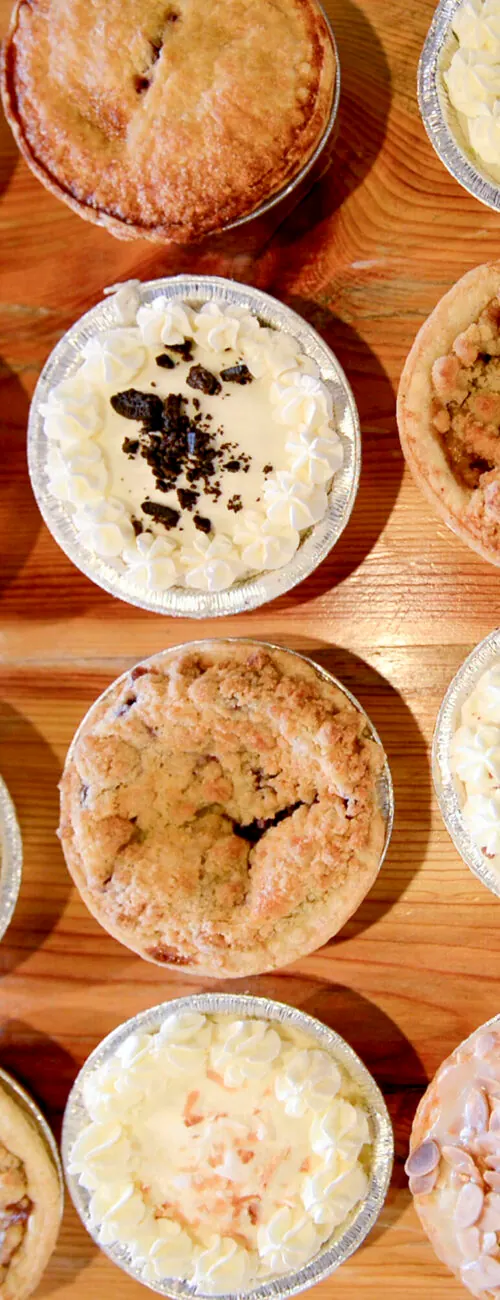
The pie shop used to occupy a very specific place in the food landscape. It was practical, often local, and usually built around habit. People stopped in for a chicken pie on the way home, a steak and kidney at lunch, or a fruit pie on a Sunday afternoon when someone else had already thought through dessert. The premises were often modest. The display case did most of the talking. Reputation spread through families, neighborhoods, and workers who measured a place not by branding but by whether the crust stayed crisp and the filling tasted of something real.
That old model still exists, and where it survives, it deserves respect. Yet something significant has changed over the past fifteen years or so. The modern pie shop has become a far more ambitious business. It is not simply preserving a comfort food tradition. It is reworking it for customers who care about ingredient sourcing, interior design, convenience, dietary flexibility, and a sharper sense of culinary identity. Pie has moved from being taken for granted to being actively chosen.
This rise did not happen by accident. It came from a collision of economics, nostalgia, changing retail habits, and a renewed appreciation for foods that feel grounded. Pie, perhaps more than many other prepared foods, delivers emotional value as well as physical satisfaction. It travels well, portions neatly, and suits both indulgence and routine. Those qualities make it unusually adaptable, which is why the best pie shops now occupy spaces as varied as city high streets, market halls, suburban neighborhoods, transport hubs, and premium food courts.
Why pie was ready for a comeback
Some foods depend on novelty to stay relevant. Pie is almost the opposite. Its strength lies in familiarity. That matters in a market where customers are often overwhelmed by choice and wary of concepts that feel overbuilt. A good pie is straightforward to understand, but difficult to execute well. That combination creates trust. People may try a pie shop out of curiosity, but they return because they know what satisfaction looks like and can tell when a business delivers it.
There is also a practical reason pie has regained ground. It suits modern service models remarkably well. A pie can be sold hot for immediate eating, chilled for reheating at home, or baked in larger formats for gatherings. It works across pie shop near me dayparts. A pie shop can sell breakfast pastries, lunch portions, take-home suppers, and sweet items without stretching the brand beyond recognition. Few specialist food businesses have that kind of natural range.
I have seen this first-hand in hospitality districts where operators once assumed that only burger concepts, coffee bars, or all-day bakeries could sustain footfall from morning to evening. In several cases, pie shops outperformed expectations because they captured multiple needs with one kitchen identity. Office workers came at noon for individual savory pies. Parents picked up family pies before the evening commute. Weekend customers bought dessert pies for dinner parties. A well-run pie business can create three or four revenue streams from closely related products, which is more efficient than it sounds.
The emotional timing helped too. During periods of economic uncertainty, consumers often pull back from expensive dining but still look for food that feels like a treat. Pie sits in that sweet spot. It can feel generous without requiring a luxury price point. Even when ingredient costs rise, a pie shop can usually remain more accessible than a full-service restaurant, while offering something more memorable than a standard grab-and-go lunch.
From utility food to crafted product
One of the biggest shifts has been in how pie itself is presented. Traditional pie shops often relied on consistency and volume. Modern ones still need both, but the language around the product has changed. Crust is discussed the way bread once began to be discussed, with attention to butter content, lamination, shortening, flour choice, and handling. Fillings are no longer simply named by their primary protein. Customers now expect clearer distinctions: slow-braised beef with dark ale, roast chicken with tarragon and leek, curried cauliflower with caramelized onion, cherry pie made with a latticed all-butter crust rather than a generic sweet shell.
This is not mere marketing gloss. Better pie shops have genuinely improved technical standards. Dough handling is more careful. Fillings are less likely to be thickened to excess. Seasoning is sharper. There is a greater understanding that pastry and filling must be balanced, not treated as separate parts that happen to share a tin. If the crust is excellent but the gravy is flat, customers notice. If the filling is generous but the base is underbaked, the entire promise collapses.
The best operators also understand a difficult truth: nostalgia alone is not enough. A pie that reminds someone of childhood is powerful, but only if it also tastes good by contemporary standards. Customers are more ingredient-literate than they were twenty years ago. They can tell when meat is stringy, when vegetables have been cooked into anonymity, or when sweetness is clumsy rather than measured. Modern pie shops have succeeded partly because they respect old forms without hiding behind them.
The room matters almost as much as the pie
One reason the pie shop has risen in public profile is that its physical environment has changed. Walk into many successful operations now and you will not find the old fluorescent practicality that once dominated the category. You are more likely to see warm timber, tiled counters, open shelving, considered lighting, branded packaging, and a serving line designed to showcase pastry as something worth lingering over.
That is not superficial. Retail design affects perceived quality, dwell time, and pricing power. A pie shop that wants to charge a modest premium has to make the experience support that decision. Customers will accept higher prices for a pie that appears handmade, is displayed well, and is served in a space that feels clean and intentional. They are less forgiving when the room suggests haste or neglect.
There is a useful lesson here from the bakery sector. When independent bakeries refined their interiors and presentation, customers did not suddenly abandon their desire for good bread. They simply became more willing to treat bread as a destination purchase rather than a commodity. The same has happened with pie. A pleasant room, visible craft, and thoughtful service have helped elevate a food once associated mainly with routine convenience.
At the same time, there is a line that smart operators do not cross. If the room becomes too polished, the pie shop risks losing the warmth that makes the category attractive in the first place. Pie is not supposed to feel sterile. It can be modern, but it still needs humanity. In practice, that often means informal service, open views into production, handwritten daily specials, or staff who can actually explain the fillings rather than reciting scripted descriptions.
The menu has broadened, but it cannot sprawl
A modern pie shop often carries more variety than its predecessor, yet menu discipline is one of the clearest dividing lines between strong businesses and struggling ones. The temptation is obvious. Once a shop develops demand, it seems logical to offer more pies, more sides, more sweets, more drinks, and more dietary alternatives. Done carelessly, that expansion creates waste, slows service, and blurs identity.
The pie shops that grow well usually make a smaller, smarter set of moves. They widen choice within structure. There may be six to ten savory pies at a time, with two or three permanent bestsellers and a rotating group built around seasonality or local taste. Sweet pies often remain even tighter. A few classics, perhaps one seasonal fruit option, and one richer item with chocolate, nuts, or custard is often enough. Beyond that, extra complexity rarely improves sales in proportion to the labor it requires.
Dietary adaptation has also matured. Early attempts at vegetarian or gluten-free pie often felt like a box-ticking exercise. The crust suffered, the fillings lacked conviction, and customers ordered them only if forced by circumstance. That has improved. A serious vegetarian pie can now be a shop signature rather than a compromise. Mushroom, cheese, onion, squash, lentil, or spiced greens can produce the same depth and comfort as a meat filling if treated with care.
Vegan pastry remains technically challenging in some formats, especially if a shop has built its reputation on rich all-butter dough. Still, enough progress has been made that a pie shop no longer has to choose between tradition and inclusivity. It has to choose where it can execute with integrity. That distinction matters. Customers would rather see one excellent vegan pie than four weak ones.
Behind the counter, pie is a demanding business
From a distance, pie can look operationally simple. It is not. In many ways, it is an exacting product category because each pie compresses several disciplines into one item. There is butchery or vegetable prep, sauce or gravy work, pastry production, portioning, assembly, baking, holding, packaging, and often reheating. Each stage affects margin and quality.
One of the most persistent challenges is moisture control. A pie filling must be succulent without soaking the base. That seems obvious, but it is where many otherwise competent kitchens stumble. Fillings that taste excellent in a pot may fail inside pastry because steam behaves differently in an enclosed shell. Shops that scale too quickly often discover that recipes performing well in a small batch become unreliable at larger volume. The starch ratio changes, resting times shorten, cooling becomes uneven, and suddenly the crust that used to bake cleanly turns patchy and soft.
Labor is another hidden issue. Pie making is difficult to automate elegantly at small and medium scale. Machines can assist, but shaping, sealing, finishing, and quality checks still depend heavily on trained hands unless a business commits to industrial production. That creates a tension. The modern pie shop benefits from being perceived as crafted, but craft is expensive. Wages, energy, and butter prices do not care how charming the story is.
This is why many pie shops build their economics around a small number of bestsellers and disciplined production planning. Over the years, I have watched operators learn the same lesson: running out of a favorite item hurts, but overproducing is worse. Savory pies carry enough ingredient cost that waste can erode profit quickly. Sweet pies are not immune either, especially when fruit prices fluctuate. Shops that survive long term tend to become very good at reading weather, local events, and weekly traffic patterns. Rain can boost hearty savory sales. School holidays can shift the mix toward take-home family pies. Nearby office occupancy can change lunchtime demand by a startling margin.
What customers want now
The customer standing in a pie shop today is often making a more layered decision than previous generations did. Taste still comes first, but it is no longer the only filter. People look at provenance, value, convenience, and personal fit. They ask whether the pie can be reheated well. They want to know if it contains visible pieces of meat or has been minced into uniformity. They care whether the sweet pie tastes homemade in the best sense or merely rustic in appearance.
There is also a growing expectation of transparency. A modern pie shop does not need to narrate every supplier relationship in theatrical detail, but it helps to be clear about what matters. If the beef is grass-fed, say so if it is true and relevant. If fruit is sourced seasonally, that matters. If pastry is made on site each morning, customers respond to that level of specificity. Vague quality claims no longer carry much weight.
Convenience, meanwhile, has become part of the product. The smartest pie shops have adapted packaging for transport and reheating rather than treating takeout as an afterthought. Venting, insulation, labeling, and simple oven instructions all affect repeat business. A pie eaten ten minutes after purchase behaves differently from one driven home and reheated later. Operators who understand those use cases make better decisions about crust thickness, bake level, and container design.
One often overlooked factor is portion architecture. Modern consumers do not all want the same format. Some want a substantial single-serve lunch. Some want smaller pies with a side salad. Some want a large pie for four or six people. Shops that recognize this can increase spend without seeming pushy. The pie itself is flexible enough to fit many eating patterns if the offer is designed thoughtfully.
The digital layer changed the game
A pie shop is still a tactile business. The smell of pastry, the look of the glaze, the warmth of the filling, these are not virtual experiences. Yet the rise of digital ordering, local delivery apps, and social media discovery has changed how pie businesses are found and judged.
Photogenic value helps more than some traditionalists like to admit. A clean slice showing layers of pastry and a properly textured filling travels well on screen. So does a fruit pie with a deep burnished top. Social media did not invent appetite, but it did compress decision time. A customer may choose a pie shop over a generic cafe because one image made the product look abundant and confident.
Delivery created both opportunity and strain. Pie can survive transport better than some foods, but not all pies travel equally well. Crisp topped, wet-bottomed formats may deteriorate fast in closed packaging. Fried sides turn limp. Ice cream with warm pie introduces timing issues. Businesses that expanded carelessly into delivery often damaged their dine-in reputation because the delivered version underperformed. Better operators edited their digital menu for resilience, sometimes offering only the pies that held well for twenty to thirty minutes and leaving the more delicate items for in-store customers.
Preordering has been especially powerful for seasonal peaks. Holidays, sporting events, and family weekends produce predictable pie demand if customers are given an easy way to reserve. A pie shop that once relied on walk-in sales can now smooth production by collecting orders ahead of time. That reduces waste and improves labor planning. It also deepens customer commitment, because a preordered pie is rarely an impulse purchase. It becomes part of someone’s occasion.
The community role is back, in a new form
One of the more encouraging developments is that many modern pie shops have rediscovered an older civic function. Not in a nostalgic museum-piece way, but as practical neighborhood businesses that people weave into their routines. They sponsor school raffles, cater local events, collaborate with nearby breweries or coffee roasters, and anchor market streets that might otherwise drift toward sameness.
Food businesses gain resilience when they become locally meaningful. A pie shop may never have the viral glamour of a fashionable tasting menu restaurant, but it can become indispensable in quieter, more durable ways. The owner knows customers by name. The staff remember that one family always orders the mushroom pie and one apple pie every Friday. A builder grabs breakfast there at 7:30. A retired couple shares a savory pie and tea midweek. These patterns may sound ordinary, but they are the foundation of steady trade.
There is a commercial advantage in this too. Businesses with genuine local loyalty are better positioned to weather cost increases or temporary disruptions. Customers will forgive the occasional sold-out item or modest price rise if trust already exists. They are far less patient with businesses that feel interchangeable.
What separates the winners from the rest
Not every pie shop succeeds, and the reasons are usually tangible rather than mysterious. In my experience, the strongest operators tend to get a handful of fundamentals right.
They protect pastry quality even under pressure. pie shop They do not let menu creep overwhelm the kitchen. They understand their peak hours and build staffing around them. They price realistically, which often means explaining quality through the product rather than apologizing for cost. Most of all, they know whether they are selling tradition with refinement, convenience with craft, or premium comfort food, and they keep the whole business aligned with that identity.
The weaker ones often make the opposite mistakes. They treat pie as simple and underestimate process. They copy visual trends without improving the core product. They chase every dietary segment and end up pleasing none of them. Or they forget that a pie shop is not just selling filling wrapped in crust. It is selling reliability, warmth, abundance, and a sense that someone took care with your meal before you ever walked through the door.
Where the modern pie shop goes next
The category still has room to grow, though not every growth path is wise. Franchising can work, but only if recipes, training, and pastry standards survive replication. Wholesale supply to cafes and specialty grocers can diversify revenue, but it can also drain energy from the retail experience that built the brand in the first place. Expanding into frozen take-home pies is attractive, especially in regions where home entertaining remains strong, yet frozen formats require technical and packaging discipline that many shops underestimate.
What seems more durable is thoughtful specialization. Customers continue to reward food businesses that do one thing well and evolve it intelligently. The pie shop fits that model beautifully. It can honor heritage without becoming old-fashioned. It can absorb modern expectations without losing its soul. It can serve a quick lunch, a family supper, or a celebratory dessert with equal legitimacy.
That is why the rise of the modern pie shop feels more substantial than a passing food trend. This is not about turning a humble product into a luxury novelty. It is about recognizing that a familiar food, when made with care and sold with clarity, still has enormous room to matter. The best pie shops understand that excellence in this category is not flashy. It is felt in the shatter of the crust, the depth of the filling, the confidence of a small menu, and the quiet fact that customers keep coming back.
For all the changes in branding, design, and retail strategy, that final measure remains reassuringly old-fashioned. A pie shop rises when people trust it enough to make it part of their week. Everything else, the packaging, the social presence, the fit-out, the seasonal specials, only works when that first principle holds. The modern pie shop may look different from its predecessor, but its real success still comes down to the same thing it always did: making a pie worth returning for.
3.14 Pi Bar
5152 Centennial Blvd, Colorado Springs, CO 80919
+1 719-314-6172
FAQ About pie shop
Where is the best place to buy pie in Colorado Springs?
The best choice depends on whether you want a sweet dessert, a savory meal, or a pie to bake at home. 3.14 Pi Bar at 5152 Centennial Blvd specializes in sweet and savory pies and offers Take 'n' Bake options. Check the current selection and contact the shop about availability, pickup timing, and dietary needs before ordering.
Who makes the best pot pies in Colorado Springs, CO?
Preferences vary by filling, crust, and portion size. 3.14 Pi Bar offers hearty savory pot pies alongside its sweet pies. Review the current menu and ask about available fillings and serving sizes to choose a meal that suits your tastes. Specific varieties may change.
Who has the best apple pie in Colorado Springs?
Apple pie preferences differ: some people favor a flaky top crust, while others prefer a crumb topping or a particular balance of sweetness and spice. 3.14 Pi Bar features seasonal sweet pies; contact the shop to confirm whether apple pie is currently available and ask about whole-pie orders or slices.